Skin concern
Pigmentation
Uneven patches of colour can come from sun exposure, hormones or past blemishes. The cause needs identifying before any treatment is chosen.
Pigmentation covers sun-induced spots, hormonal melasma, and the marks left after blemishes or injury. They look similar but behave differently, and treating one type as if it were another can make it worse.
Sun-induced pigmentation is the result of accumulated sun exposure. It shows as flat, fairly well-defined brown patches on the cheekbones, temples, chest and backs of the hands, and it stays much the same from week to week. Much of it sits in the more superficial layers of the skin, so it is usually the type that responds most predictably to a planned course.
Melasma is different. It is typically symmetrical and blotchy, not spotted, and sits across the upper lip, forehead and cheeks. Hormones drive it as much as light does, so it often appears in pregnancy, on certain contraception, or in the years around the menopause. It reacts to heat and visible light as well as ultraviolet, and it often comes back when the trigger returns. Melasma is usually managed, not cured, so the aim is ongoing control and maintenance.
Post-inflammatory marks are the flat brown or grey patches left where a spot, a scratch or a burn has healed. Many fade on their own over months with consistent protection. They are not scarring, which changes the skin's texture, not its colour, and mistaking one for the other leads to the wrong plan.
Skin tone matters more here than for almost any other concern. Deeper skin tones produce pigment more readily in response to injury, so heat, friction and over-aggressive treatment can leave a mark that lasts longer than the one being treated. For deeper skin tones that means a slower plan, but it does not rule treatment out.
Most of what keeps pigmentation going is ordinary: daylight through a car or office window, heat from cooking, hot showers and steam, picking at blemishes, scrubbing, some photosensitising medications, and a barrier stripped by too many actives at once. Hampshire summers feel mild, but unprotected daily exposure from March onwards can add up to far more than a holiday abroad.
Treatment plans usually start with daily sun protection. Medical-grade and prescribed skincare is the backbone of most pigmentation plans, and the part you apply every day. Skin peels, selected for your skin, may lift surface pigment and even out tone over a course. Where pigment sits alongside roughness or post-acne change, treatments aimed at renewal and texture may also be part of the plan. Without daily sun protection, any improvement is unlikely to last.
At consultation, your practitioner will ask when the pigmentation appeared and whether it came on gradually or after something specific. They will also ask about your sun habits and hormonal history, what you have already tried and how your skin reacted, and how readily your skin tans, burns or darkens after injury. Pattern, border and depth are assessed in good light, because a superficial mark and a deeper one can look identical across a desk and respond differently. Pigmentation consultations run at our Bedhampton clinic near Havant, and at our Winchester clinic on Jewry Street from 8 December 2026.
Some pigmentation belongs with a doctor, not a skin clinic. A mole or mark that is changing in size, shape or colour needs a GP's opinion before any treatment is considered. So does one that is asymmetrical or has an irregular or blurred border, anything that bleeds, itches, crusts or will not heal, and any single new pigmented mark that stands out from the rest. Some pigmentation is also best left alone, and if we think a mark needs your GP's opinion, we will tell you.
Progress is measured in months, not sessions. Pigment lifts gradually as cells turn over, so expect slow change across a course, with reviews along the way, and some form of maintenance afterwards, particularly with melasma. Results vary between individuals. Your plan is agreed at consultation, based on your skin, your routine and how much downtime you can accept.
Frequently asked questions
How do I know whether I have melasma or sun damage?
They can look similar in the mirror but behave differently. Melasma tends to be symmetrical and blotchy across the upper lip, forehead and cheeks. It often begins in pregnancy, on certain contraception or in the years around the menopause, and it flares with heat and light as well as sun. Sun-induced pigmentation is usually more spotted, better defined and concentrated where you catch the most exposure. Your practitioner assesses the pattern, the borders and your history at consultation before choosing any treatment.
Can pigmentation be cleared in one session?
Very rarely. Pigment lifts as skin cells turn over, so most plans run as a course over several months, with review points along the way. Some post-blemish marks fade with consistent skincare and sun protection alone. Melasma in particular is managed over time and does not clear in a set number of visits. Results vary between individuals.
Can treatment make pigmentation worse?
It can. A peel that is too strong for your skin, heat applied to melasma, or unprotected sun exposure afterwards can all prompt more pigment, and deeper skin tones are more prone to this. Any peel or plan is selected for your skin at consultation, not chosen from a menu.
Do I still need sun protection in winter?
Yes. It is the most useful habit for pigmentation. Ultraviolet reaches skin on overcast days and through car and office windows, and visible light and heat can drive melasma too. Daily broad-spectrum protection, reapplied when you are out for long stretches, protects the results of everything else you do.
Possible pathways
Treatments often discussed for pigmentation
Suitability is always assessed at consultation. These are options to discuss, not recommendations.

Consultations & Reviews
AI Skin Analysis
Clinical imaging that shows what is happening beneath your skin's surface, so your plan starts from evidence. Normally £50. Free until 8 December 2026 at our Bedhampton clinic, and free at our new Winchester clinic for anyone who books before it opens on 8 December.
Skin Health Treatments
Skin Peels
Medical-grade resurfacing treatments selected for your skin, supporting brightness, smoother texture and clearer-looking skin over a planned course.
Medical-Grade Skincare
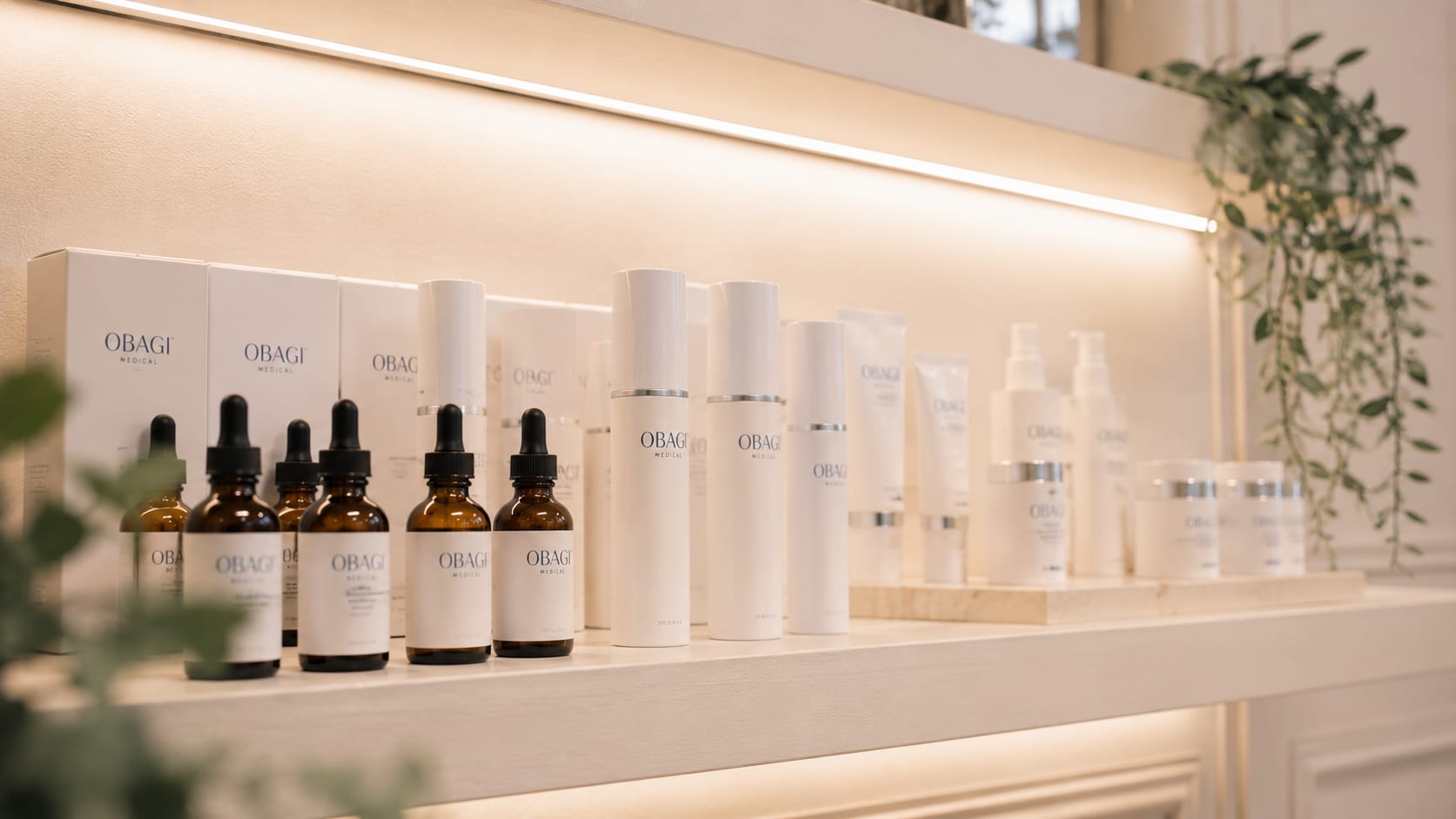
Medical-Grade Skincare
Evidence-led skincare at strengths the high street cannot offer, prescribed and planned around your skin at consultation.
Consultation-led care
Start with a conversation about your skin
Every treatment starts with a consultation. We assess your skin, go through your options and tell you what is realistic for you. There is no obligation to proceed.