Skin concern
Redness
Persistent redness and easy flushing usually mean a reactive, sensitised skin that needs calming before anything else.
Facial redness has several causes that look alike: a compromised barrier that has become sensitised, small vessels sitting visibly near the surface, flushing that comes and goes with a trigger, and the settled central-face redness of rosacea-type skin. The flat pink or purple marks left after spots look similar too, though technically they are post-inflammatory colour change, not redness. What most of these share is skin that overreacts, so aggressive treatment is the wrong instinct.
Each type needs a different approach. Barrier redness usually improves when products are taken away, not added. Flushing responds to trigger mapping more than to products. Fixed vessels do not respond to skincare at all. Treating one as though it were another is the most common reason people arrive after a year of spending money while their skin got worse.
What tends to make it worse
Heat is the biggest driver, and it comes from more directions than most people expect: hot showers, hot drinks, spicy food, alcohol, saunas, and the flush after exercise, which is not a reason to stop exercising. Sudden temperature swings do it too. Reactive skin is often worse in a Hampshire winter, when you step out of a cold coastal wind into a warm room.
Products are easier to fix. Foaming cleansers that leave skin squeaky, physical scrubs, facial brushes, fragranced moisturisers, essential oils, alcohol-heavy toners, and high-strength actives introduced too fast or stacked together all push a reactive barrier further. So does answering a flare by treating it harder. Unprotected UV adds to almost all of it.
What a consultation looks at
Most of the useful information comes from your history, not from looking at the skin. Your practitioner will ask how long the redness has been there, whether it comes and goes or stays put, whether it burns, stings or itches, and whether there are bumps and pustules alongside it. Where it sits matters too. Central-face redness across the cheeks, nose and chin behaves differently from redness along the jawline or where a product is applied.
They will then go through your routine, including products you bought in good faith, along with medication, health history and the triggers worth noting. Clinic lighting shows surface colour. Our AI Skin Analysis adds imaging of the vascular pattern underneath, which is often the clearest way to tell flushing from fixed vessels.
The pathways that are realistic
For most reactive skin, the first phase is taking things away. That means a simplified barrier-repairing medical-grade skincare plan, removing the aggravators in your existing routine, daily SPF, and a short list of triggers to test. This runs for several weeks before anything else is considered, and it is where most of the improvement comes from. Where the picture warrants it, our prescriber will discuss prescription-only options.
Gentler in-clinic treatment may follow once the skin is calmer, judged at a review. Some redness will not change, and some is better left alone. If fixed vessels are what bother you, no product or treatment we offer will shift them. Results vary between individuals.
When it belongs with your GP
Some redness needs a doctor, not a skin clinic, and we will tell you if yours does. See your GP first about any of these: gritty, dry or repeatedly inflamed eyes alongside facial flushing; redness that arrives suddenly with pain, swelling or feeling unwell; a patch that is scaly, crusting, bleeding or will not settle; redness that appeared after starting a new medication; or a rash across the cheeks and nose with joint aches and fatigue. Where rosacea is suspected, we will explain what a diagnosis would involve and how we would work alongside it. Our page on rosacea-prone skin sets out where that line falls.
We see all types of facial redness at our Bedhampton clinic, with patients from Havant, Portsmouth, Waterlooville and Denmead, and from 8 December 2026 at our new clinic on Jewry Street in Winchester. At both, we work out what the redness is before deciding whether it needs treating at all.
Frequently asked questions
Is my redness rosacea?
Possibly, but rosacea is a medical diagnosis and only a doctor can make it. We can describe what your skin is doing, whether the pattern fits rosacea-prone skin, and whether it is worth asking your GP. Plenty of persistent facial redness turns out to be a sensitised barrier or vascular flushing, not rosacea, and those are managed differently.
Will a facial or a peel calm my redness down?
Usually not, and it can make things worse. Resurfacing treatments work by causing controlled injury, which is the opposite of what a reactive barrier needs. If your skin settles with several months of barrier-focused care, gentler in-clinic options may become sensible later. That decision is made at a review, not promised at the start.
Can you get rid of the little thread veins on my cheeks and nose?
Not with skincare, and not with anything we offer. Fixed, visible vessels do not respond to topical products at any strength or price. Treating them is a job for light or laser devices. At consultation we can explain what to look for if you decide to have them treated elsewhere.
Why does my skin sting when I put anything on it?
Stinging usually points to a worn-down barrier, often from a routine that is doing too much rather than too little. Common culprits are foaming cleansers, scrubs, fragranced products and strong actives introduced too quickly. It generally improves once the routine is simplified, though this can take several weeks and results vary between individuals.
Possible pathways
Treatments often discussed for redness
Suitability is always assessed at consultation. These are options to discuss, not recommendations.

Consultations & Reviews
AI Skin Analysis
Clinical imaging that shows what is happening beneath your skin's surface, so your plan starts from evidence. Normally £50. Free until 8 December 2026 at our Bedhampton clinic, and free at our new Winchester clinic for anyone who books before it opens on 8 December.
Medical-Grade Skincare
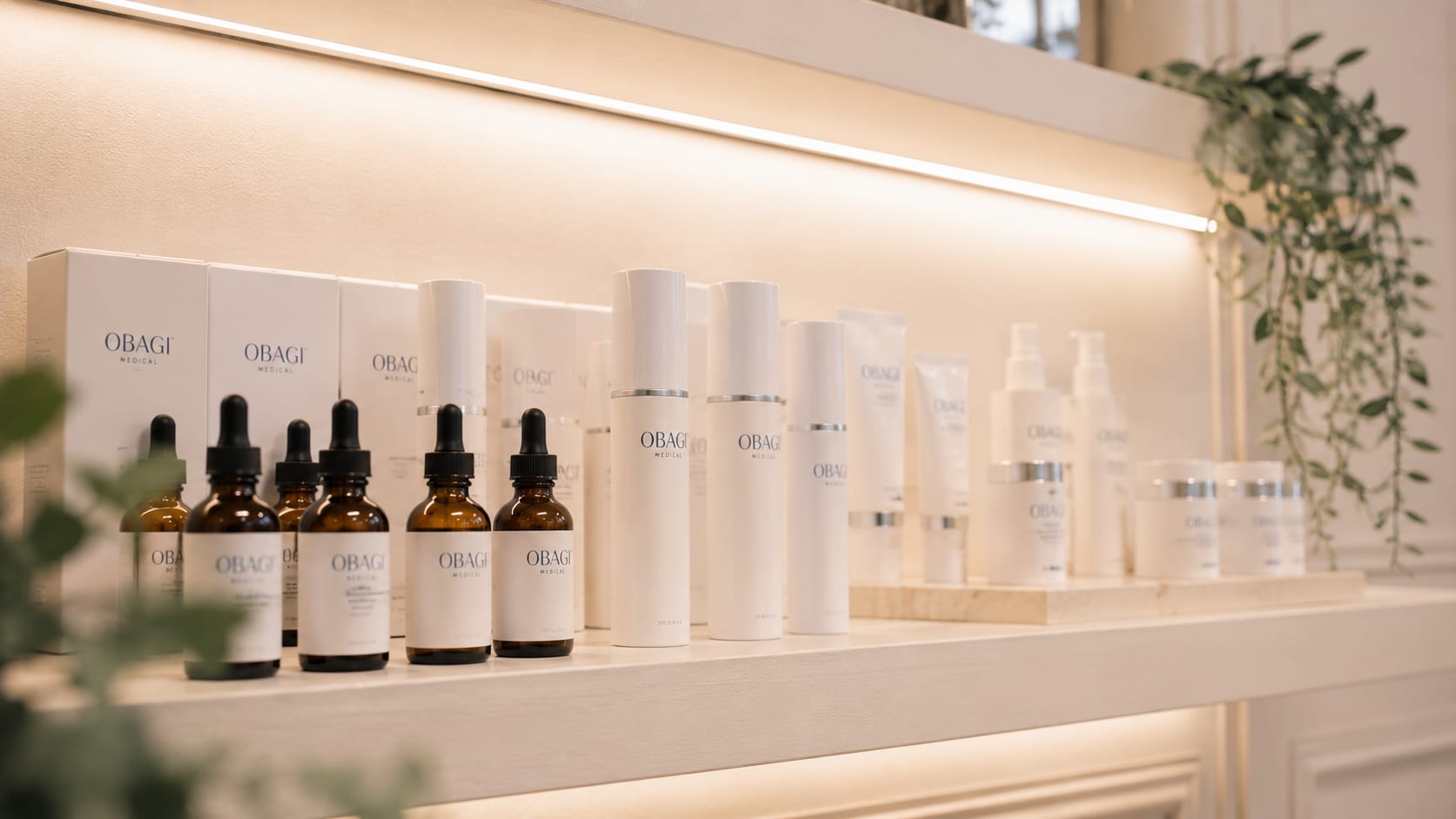
Medical-Grade Skincare
Evidence-led skincare at strengths the high street cannot offer, prescribed and planned around your skin at consultation.
Consultation-led care
Start with a conversation about your skin
Every treatment starts with a consultation. We assess your skin, go through your options and tell you what is realistic for you. There is no obligation to proceed.