Skin concern
Dull Skin
Skin that reflects light poorly looks flat and grey. The cause is usually the surface, and it can usually be improved.
Radiance is mostly a matter of how skin reflects light. An even, well-hydrated surface reflects light in roughly one direction and looks bright. A rough, dry or irregular surface scatters it, and the face looks flat, grey or tired even when nothing is medically wrong. Dullness is one of the most improvable concerns we see, and one of the most often treated the wrong way round.
The forms dullness takes
Dullness is a description, not a diagnosis, and it has several causes. Dead cells build up when turnover slows with age, illness or winter. Dehydration leaves the surface unable to hold water and reflect light evenly. Sun-induced pigment and post-blemish marks make tone uneven. A routine that does too much disrupts the barrier. Broken sleep, smoking or being run down leave a general pallor. These can look identical in the mirror but need opposite approaches, so the first job is working out which you have. If dullness comes with under-eye shadows, puffiness or lost support under the cheek, the cause goes beyond the surface, and our page on tired-looking skin covers that combination.
Why the wrong answer makes it worse
The most common story we hear is over-exfoliation. Acids, a scrub and a retinoid are used together, then more of all three when nothing improves. The skin now looks flat because its barrier is compromised, not because it is congested. That skin needs less, and it usually brightens within a few weeks of a stripped-back routine. The opposite mistake is just as common: dehydrated skin treated with resurfacing that lifts the surface but does nothing for water content, so the improvement lasts days, not months.
What tends to make it worse
Cumulative UV exposure is the largest single contributor. Daily light through a windscreen or a kitchen window adds up to more than an occasional holiday. Other contributors include broken sleep, alcohol, smoking, central heating and air conditioning, very hot water, foaming cleansers that leave skin feeling squeaky, and harsh scrubbing. A common sign is foundation that sat well at eight in the morning and looks powdery and uneven by lunchtime.
Treatment pathways and their limits
Medical-grade skincare is the basis of nearly every plan for dullness, and for many people it is the whole plan. It works on turnover, barrier quality and pigment over roughly eight to twelve weeks. That is slower than an in-clinic treatment, but it is the only part of the plan working every day. It will not give a visible change within a few days.
Skin peels remove a dull surface layer and can even out some forms of uneven tone. They suit retained dead cells and congestion. On their own they do little for dehydration, and they are the wrong choice on a disrupted barrier, so peel type and strength are decided after assessment. Microneedling works on skin renewal, not surface polish. It tends to suit dullness that comes with texture, and any change builds over weeks, not on the day. Injectable skin boosters address hydration from within. They suit skin that is short of water, not skin whose problem is the surface itself. Where pigmentation is a large part of the picture, it is assessed and planned separately, because some pigment responds well and some is made worse by heat and aggressive treatment.
What a consultation looks at
A consultation for dullness is mostly questions and examination. We ask what you use and how often, how your skin reacted the last time it was treated, how it responds to sun and to injury, and about your work and sleep. We also ask what radiance means to you, because people mean different things by it. Imaging helps here. Our AI Skin Analysis often shows sun damage and early pigment below the surface, which can explain dullness that looked purely textural. If your routine is already doing too much, we will tell you what to stop using. We assess dull skin at our Bedhampton clinic near Havant now, and at our Winchester clinic on Jewry Street from 8 December 2026.
When it belongs with your GP instead
Skin tone can reflect your general health. Persistent pallor alongside fatigue, breathlessness or heavy periods can point to low iron. Dullness and dryness with cold intolerance, weight change or thinning hair can point to a thyroid problem. A yellow cast to the skin or the whites of the eyes should be seen the same week. A single patch that is new, changing, or behaving differently from the rest of your face should be seen by your GP before a skin clinic. We do not treat any of these, and a course of peels would only delay the answer.
Frequently asked questions
How soon would my skin look brighter?
It depends on which kind of dullness you have. Surface dullness can lift within days of a peel. Dehydration usually takes two to four weeks of the right routine. Dullness caused by slowed turnover or sun-induced pigment is measured in months. Results vary between individuals, so we set the timescale at your consultation.
Can I not just exfoliate more often?
Sometimes, but over-exfoliation is one of the most common causes of dullness we see, so more is often the wrong direction. Skin that is flat because its barrier is disrupted looks much like skin that is flat because it is congested, and the two need opposite things. A consultation works out which you have.
Is dull skin the same as dehydrated skin?
They often occur together, but they are not the same. Dehydration is about the water content of the skin. Dullness is what you see when light scatters off the surface, and dehydration is one cause of it. Retained dead cells, uneven tone and a disrupted barrier are others. Your practitioner will work out which is contributing most in your skin.
Do I need an in-clinic treatment, or will skincare do it?
For many people, a well-built medical-grade skincare routine is the whole answer. In-clinic treatments are worth considering where there is texture, established pigment or a hydration deficit that skincare alone is not reaching. At consultation we will tell you which of those, if any, applies to you.
Possible pathways
Treatments often discussed for dull skin
Suitability is always assessed at consultation. These are options to discuss, not recommendations.

Skin Boosters & Regenerative
Skin Boosters
Injectable treatments that hydrate the skin from within to support skin quality, without changing the shape of your face.
Skin Boosters & Regenerative
Profhilo
A widely used injectable skin remodelling treatment that spreads beneath the skin to support hydration, elasticity and firmness, typically over two sessions.

Skin Boosters & Regenerative
Polynucleotides
A regenerative injectable therapy that supports the skin's own repair processes, often discussed for the under-eye area, skin quality and early ageing.
Skin Boosters & Regenerative
SkinVive by Juvederm
A microdroplet hyaluronic acid treatment placed just beneath the surface to support skin hydration and smoothness, without adding volume or changing your features.
Skin Boosters & Regenerative
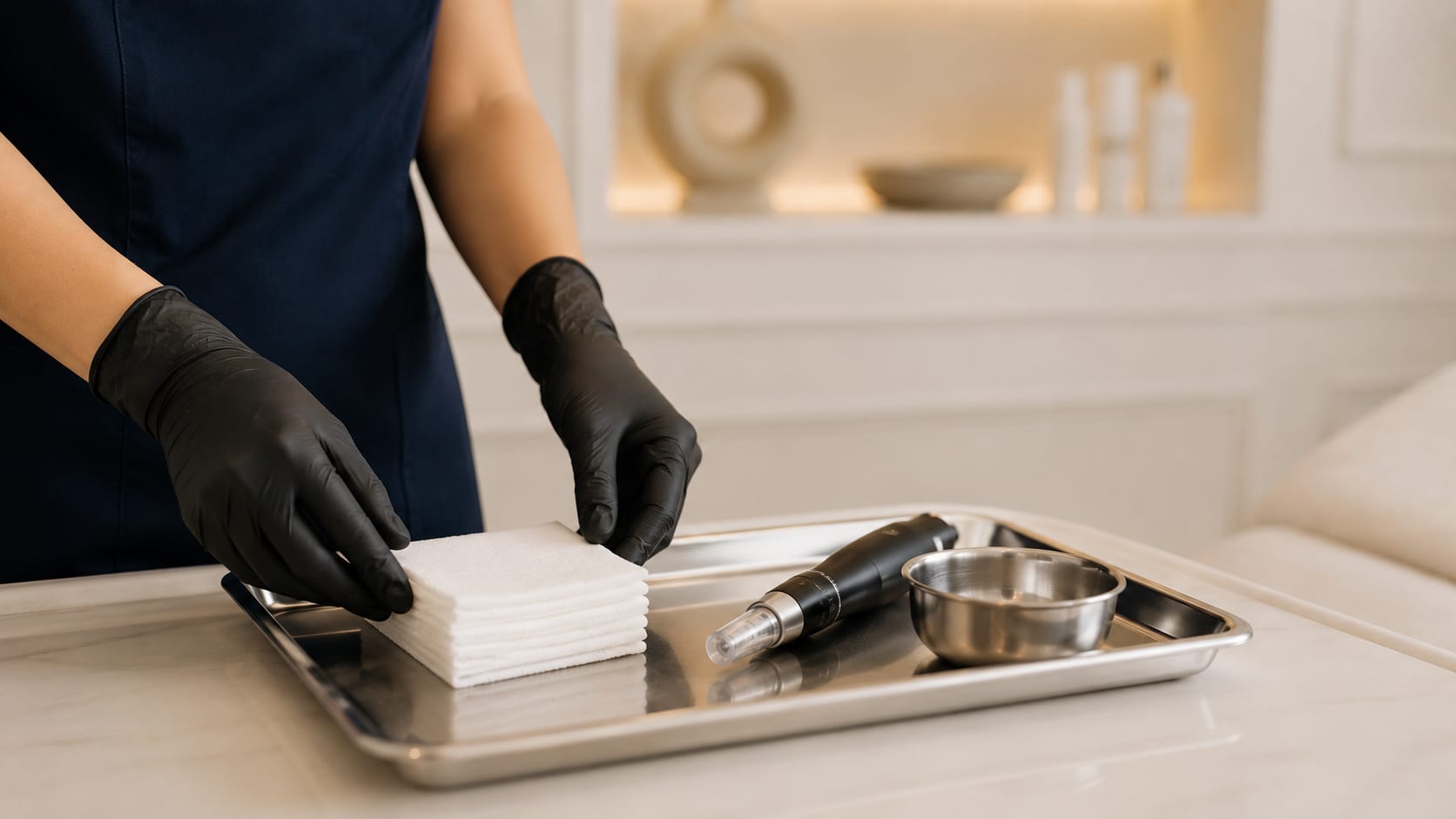
Exosome Regenerative Therapy
A regenerative treatment applied with microneedling, intended to support the skin's own repair processes after controlled stimulation. Always assessed and planned at consultation.
Skin Health Treatments
Skin Peels
Medical-grade resurfacing treatments selected for your skin, supporting brightness, smoother texture and clearer-looking skin over a planned course.
Skin Health Treatments
Microneedling
Controlled micro-injury that prompts the skin's own renewal, a well-established option for texture, some scarring and overall skin quality.
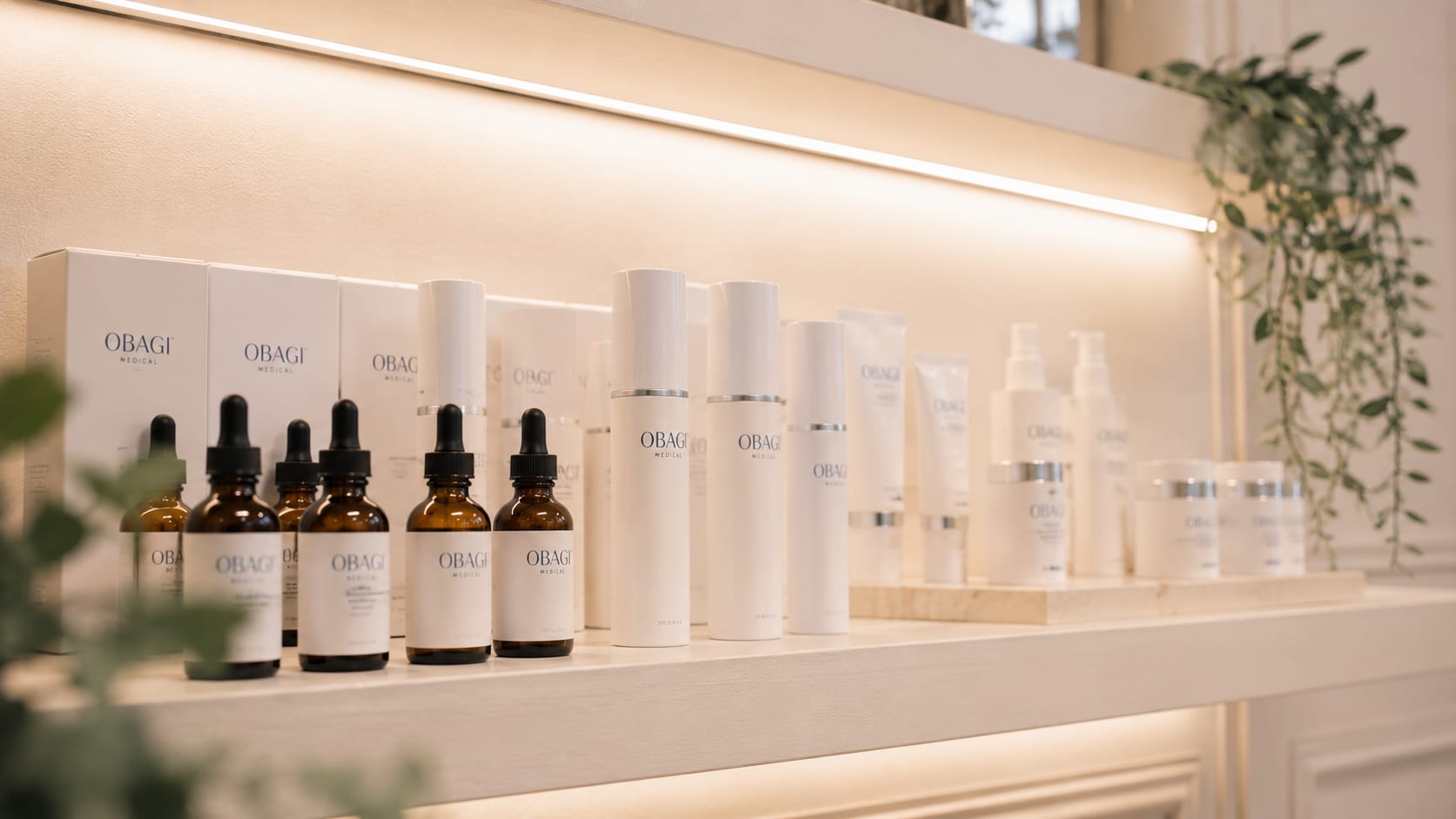
Medical-Grade Skincare
Medical-Grade Skincare
Evidence-led skincare at strengths the high street cannot offer, prescribed and planned around your skin at consultation.
Consultation-led care
Start with a conversation about your skin
Every treatment starts with a consultation. We assess your skin, go through your options and tell you what is realistic for you. There is no obligation to proceed.