Skin concern
Acne-Prone Skin
Breakout-prone skin is a medical skin state, not a hygiene failure, and it responds best to a plan that runs over weeks.
Acne-prone skin over-produces oil and sheds cells unevenly. The oil and cells block follicles, which then trap bacteria and become inflamed. It is not a hygiene failure, and it affects adults in their thirties, forties and beyond as readily as teenagers.
The forms acne takes
Comedonal acne is the congested kind: blackheads, whiteheads and the rough, bumpy texture across the forehead, nose and chin that never quite comes to a head. Inflammatory acne is the sore, raised kind: papules and pustules that flare and settle over days. Nodular or cystic acne sits deeper, lasts longer and is the form most likely to scar. Many people have a mixture. Some have a hormonal pattern along the jaw, chin and neck that follows the menstrual cycle.
Some conditions look like acne and are not: folliculitis, perioral dermatitis, the papules and pustules of rosacea-type skin, and reactions to a product or a medication. All of them can appear as spots on the face, and a treatment that helps one can aggravate another.
What usually makes it worse
Most acne-prone skin we see has already been treated harshly: over-cleansing, foaming washes, abrasive scrubs, alcohol-heavy toners, and spot treatments applied across the whole face. Stripping a barrier that is already inflamed tends to produce more oil, not less. Picking and squeezing can turn a spot that would have faded into a mark that lasts months, or into a scar that does not fade.
Other aggravators are less obvious: friction from helmets, straps and phones; heavy or occlusive make-up; and actives started at full strength, abandoned after a fortnight, then restarted. Unprotected sun exposure darkens the marks left behind, even as it seems to dry the spots out. Stress and broken sleep can make acne worse but do not cause it. The evidence on diet is mixed and varies from person to person, so we look at your routine and your history first.
Treatment pathways and their limits
Structured medical-grade skincare is the basis of almost every acne plan, and sometimes it is the whole plan. It works on the oil, the uneven shedding and the inflammation, and it takes weeks before you can judge it. In-clinic skin peels may help congestion, surface texture and post-blemish marks, usually as a planned course alongside the skincare. Neither is fast, and neither belongs on skin that is actively inflamed and sore: that skin needs calming first.
Resurfacing treatments such as microneedling come later. They are for textural scarring once the acne itself has settled, and using them over active breakouts risks spreading inflammation. What acne leaves behind is one of two things. Flat red or brown marks are post-inflammatory colour change, and they usually fade with time, sun protection and the right actives. True textural scarring is a loss or excess of tissue, and it follows a different pathway. The two are often confused, and the difference changes both the plan and the timescale to expect.
What a consultation looks at
A first appointment starts with your history, not with products. We ask how long it has gone on, what you have tried, and how your skin tolerated it. We note where the spots sit, what type they are and whether the pattern follows a cycle, and we ask what medicines you take. We go through your current routine, and the plan often means removing products, not adding them. Skin tone matters too: deeper skin tones are more prone to post-inflammatory pigmentation, so we are more cautious with anything resurfacing. Imaging or photographs give a baseline, because skin changes too slowly to judge fairly from memory.
When it belongs with your GP
Some acne needs medical management, not a skin clinic. Deep nodular or cystic acne, acne that is scarring as it heals, and widespread acne across the back and chest are GP conversations. So is acne that starts suddenly alongside other changes, such as irregular periods or unusual hair growth, and acne that has not shifted after several months of sensible treatment. The prescription-only treatments for these sit with your GP or a dermatologist. If your skin is affecting how you feel about leaving the house, that counts as a reason too. If we see any of this at consultation, we will tell you, and we will not start you on a course.
In those cases our role is a supporting one: barrier care during medical treatment, sun protection to stop the marks darkening, and a plan for texture and scarring afterwards. Consultations run at our Bedhampton clinic near Havant, serving Havant, Portsmouth and Waterlooville, and from 8 December 2026 at our Winchester clinic. Results vary between individuals, and any plan is agreed with you.
Frequently asked questions
Should I see my GP first, or can a skin clinic help?
It depends on the form your acne takes. Congested, mildly inflamed and post-blemish skin is usually something a consultation-led skin plan can work with. Deep nodular or cystic acne, acne that scars as it heals, and widespread acne across the back and chest belong with your GP, because the prescription-only treatments for those sit with a GP or a dermatologist. If you come to us first, we will tell you which of the two it is.
Will a skin peel clear my breakouts?
A peel is not a cure for acne and is not the first thing we reach for. Where skin is congested but not acutely inflamed, a course of peels may help surface texture and post-blemish marks. It works alongside a structured skincare plan, not instead of one. On skin that is actively sore and inflamed, we would postpone the peel and calm the barrier first.
How long before I see a difference?
Acne plans work on the skin's oil production and shedding cycle, so change takes weeks, not days. Skin often looks slightly worse before it looks better as congestion clears. We usually review at six to twelve weeks before judging whether a plan is working. Results vary between individuals, and consistency matters more than intensity.
Are the red or brown marks left behind actually scars?
Usually not. Flat marks with no change in texture are post-inflammatory colour change, and they tend to fade over months with sun protection and the right actives. True scarring is a change in the surface itself: a depression or a raised area you can feel. It needs a different pathway and a longer timescale.
Possible pathways
Treatments often discussed for acne-prone skin
Suitability is always assessed at consultation. These are options to discuss, not recommendations.
Skin Health Treatments
Skin Peels
Medical-grade resurfacing treatments selected for your skin, supporting brightness, smoother texture and clearer-looking skin over a planned course.
Medical-Grade Skincare
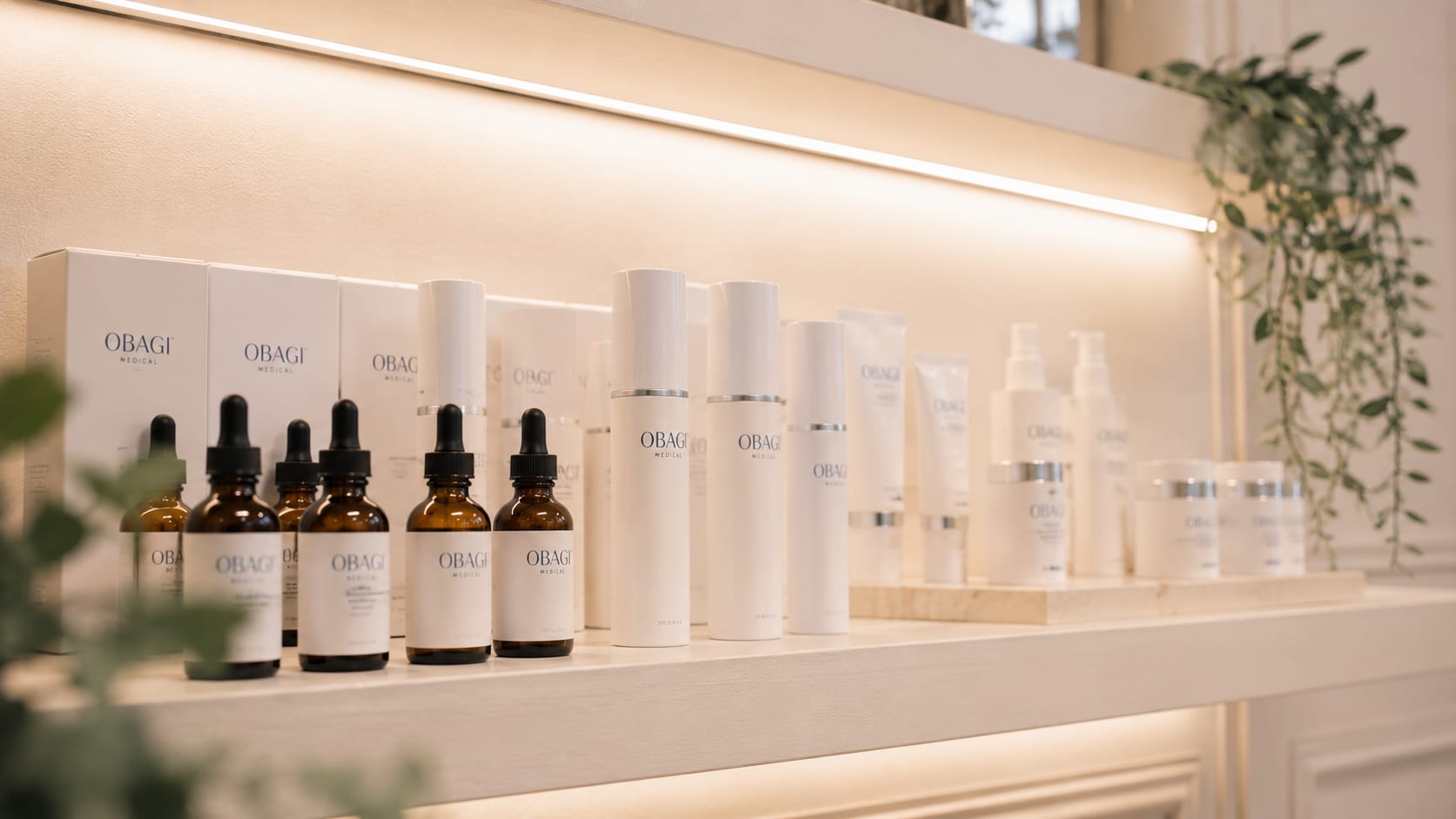
Medical-Grade Skincare
Evidence-led skincare at strengths the high street cannot offer, prescribed and planned around your skin at consultation.
Consultation-led care
Start with a conversation about your skin
Every treatment starts with a consultation. We assess your skin, go through your options and tell you what is realistic for you. There is no obligation to proceed.