Skin concern
General Skin Health
Healthy skin is the foundation every treatment depends on. Building it starts with your daily routine and sun protection.
Skin health means five things working reasonably well at once: a barrier that holds water in and irritants out, steady renewal of the surface, even pigment production, collagen that is maintained and not only lost, and low background inflammation. When those are in balance, skin copes with weather, hormones and the occasional late night. When one slips, the others tend to follow.
People arrive in different situations. Some skin is healthy but under-supported: dry through winter, dull by February, unremarkable the rest of the year. Some is over-treated: over-exfoliated, reactive, and tight and squeaky after washing, because a routine meant to help has stripped the barrier. Some has an underlying hormonal, medical or sun-related cause that good skincare will not settle on its own. These can look similar in the mirror but need different plans, so assessment comes first.
Most of what undermines skin health is ordinary and cumulative. Ultraviolet exposure is the largest single contributor to pigmentation, texture change and collagen loss, and in Hampshire that applies all year round. After that come routines with several actives competing, hot water and stripping cleansers, retinoids introduced too quickly, fragrance on skin that is already reactive, broken sleep, smoking, and long gaps with no sun protection between courses of in-clinic treatment. Each is small on its own. Together they limit what any treatment can achieve, so they are addressed first.
The useful pathways are fewer than the industry suggests. Medical-grade skincare is the foundation. Resurfacing such as skin peels is for when the surface is the problem, microneedling for when renewal needs prompting, and injectable skin boosters for when hydration and skin quality are the issue. Consistent sun protection sits underneath all of it.
Skincare works daily and its effects build, supporting tone, texture and barrier repair over months. It is not a quick fix. Peels may lift a tired, congested surface over a planned course, but they do nothing for volume or laxity and are wrong for skin that is currently inflamed. Microneedling suits texture and certain scarring better than tone alone. Skin boosters are aimed at hydration and skin quality, not shape or volume. Any of them can be right at one point and wrong at another, so the plan sets an order.
At a skin consultation, your practitioner takes a history covering medications, skin conditions, previous treatments, sun habits, and pregnancy or breastfeeding. They then examine your skin in good light, assessing barrier condition, hydration, pigment distribution, redness pattern and any congestion. Our AI Skin Analysis can show what a mirror cannot, particularly sun damage below the visible surface. Your current routine is audited product by product, because what you stop using often matters more than what you add. Priorities are then agreed in order: one thing done consistently for twelve weeks achieves more than four things done for three.
Some findings belong with your GP or a dermatologist, and we will not treat over the top of them. A mole or mark that changes in size, shape, colour or outline, or that itches, bleeds or will not heal, needs a medical opinion promptly. So does a lesion present for several weeks without settling, sudden severe or scarring acne, a persistent rash, or skin changes alongside joint pain, fatigue, weight change or hair loss. Suspected skin infection, active eczema or psoriasis flares, and anything that looks like a reaction to a new medication are all reasons to see your GP first. We will tell you what we have seen, in writing if it helps, and treatment can be revisited once you have that opinion.
Good skin health also protects any treatment you decide on, and it is the basis of preventative ageing. We see clients at our Bedhampton clinic near Havant, including people travelling in from Portsmouth, Waterlooville and Denmead. Our Winchester clinic at 9A Jewry Street opens on 8 December 2026, and a plan started at one clinic can continue at the other.
Frequently asked questions
Do I need a treatment if nothing is actually wrong with my skin?
Often not. Healthy skin that is under-supported usually needs a shorter, better-chosen routine and consistent sun protection, not a course of treatment. If an in-clinic treatment would add something at this stage, we will explain what and why. If it would not, we will say so.
How long before a skin health plan actually shows a difference?
Surface changes in hydration and comfort often settle within two to four weeks. Tone, texture and pigment respond more slowly because they follow the skin's own renewal cycle, so most plans are reviewed at six to twelve weeks. Collagen-related change is slower again. Results vary between individuals.
Is medical-grade skincare really different from what I buy on the high street?
The differences are concentration, formulation, and that it is selected for your skin instead of picked off a shelf. Some preparations are prescription-only and are chosen by our prescriber after a consultation and a medical history. It is not automatically better for everyone, and a good routine can include high-street products alongside it.
How often should my skin be reviewed?
Twice a year suits most people once a plan is settled, with an earlier review after any change in products, medication or treatment. Skin changes with seasons, hormones and life stage, so a plan that fitted last winter may not fit this summer. Reviews are also when we decide what to stop, not only what to add.
Possible pathways
Treatments often discussed for general skin health
Suitability is always assessed at consultation. These are options to discuss, not recommendations.

Consultations & Reviews
AI Skin Analysis
Clinical imaging that shows what is happening beneath your skin's surface, so your plan starts from evidence. Normally £50. Free until 8 December 2026 at our Bedhampton clinic, and free at our new Winchester clinic for anyone who books before it opens on 8 December.

Consultations & Reviews
Skin Consultation
The starting point for everything we do. A complimentary nurse-led assessment and a realistic, personalised plan, with the option to add our AI Skin Analysis.
Medical-Grade Skincare
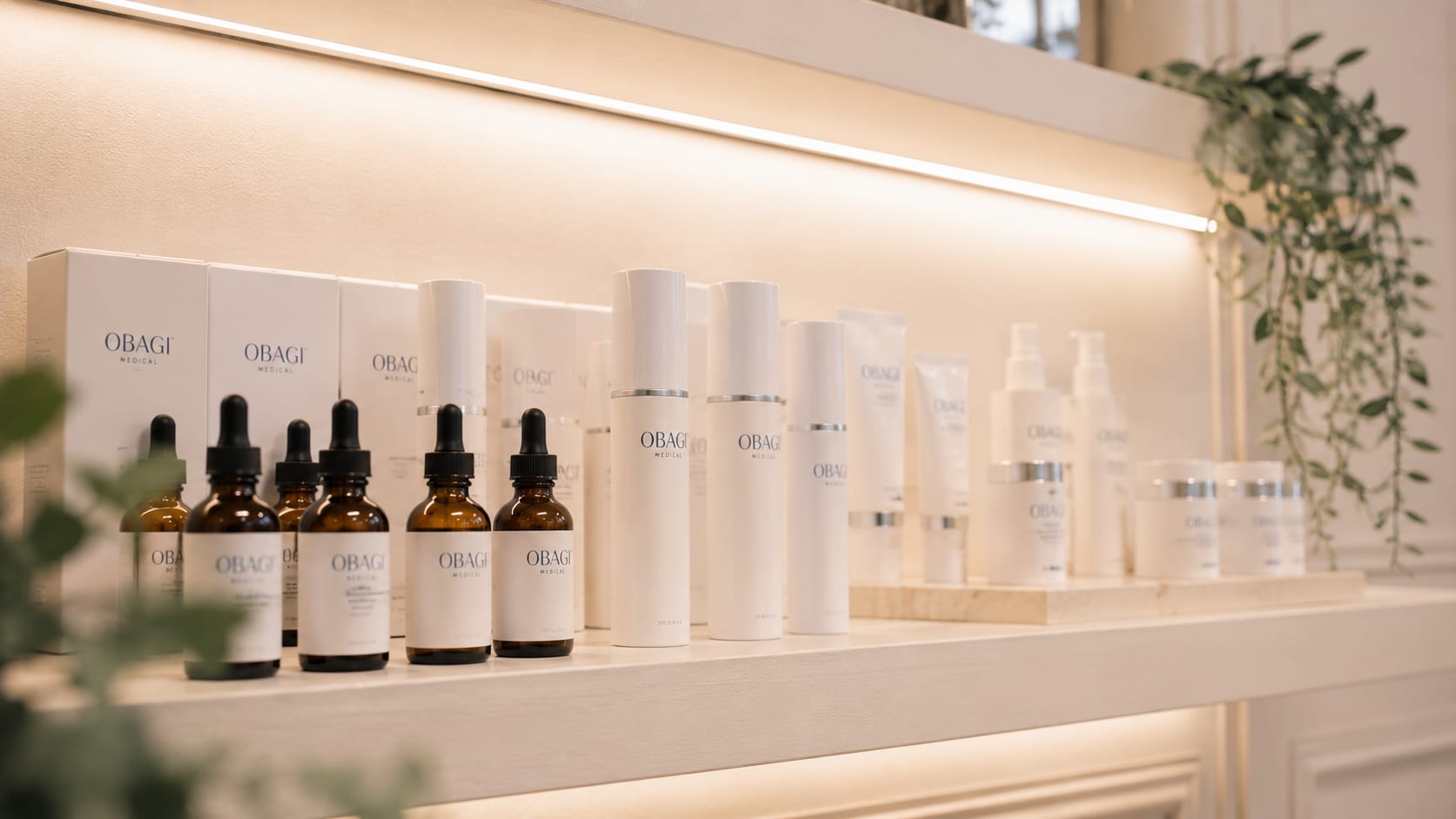
Medical-Grade Skincare
Evidence-led skincare at strengths the high street cannot offer, prescribed and planned around your skin at consultation.

Skin Boosters & Regenerative
Sculptra
A collagen-stimulating injectable that prompts your own skin to rebuild structure over several months. It does not add volume on the day.

Wellness Injections
Vitamin B12 Injection
Nurse-administered vitamin B12 injections, given only after a suitability assessment.
Consultation-led care
Start with a conversation about your skin
Every treatment starts with a consultation. We assess your skin, go through your options and tell you what is realistic for you. There is no obligation to proceed.